
Blog Detail
Blog Detail
The Allure of Risk and Uncertainty
The thrill of risk is a fundamental aspect of casino gambling, drawing people in with the promise of potential reward. The uncertainty of outcomes creates a heightened sense of excitement that can be incredibly addictive. This psychological component taps into our innate desire for surprise and the unknown, making each spin of a slot machine or roll of the dice an adrenaline-fueled experience. Many players seek the highest payout online casino options available, hoping to maximize their winnings.
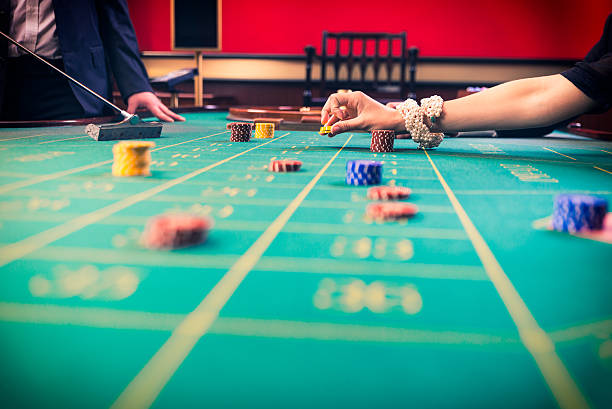
Moreover, the concept of gambling creates a unique tension between pleasure and anxiety. Players often find themselves in a state of heightened arousal, propelled by the anticipation of winning. This emotional rollercoaster is further intensified by the colorful lights, engaging sounds, and overall atmosphere of casinos, which stimulates the senses and fuels the desire to play more.
The Role of Cognitive Biases
Cognitive biases significantly affect how players perceive their chances of winning when gambling. One of the most common biases is the “gambler’s fallacy,” where individuals believe that past outcomes influence future results. For example, a player might think that after a series of losses, a win is “due.” This misconception can lead to continued play even when probabilities are not in their favor, illustrating the powerful impact of psychology on decision-making.
Another aspect is the “illusion of control,” where gamblers often feel they can influence random outcomes. This belief can foster a false sense of mastery, encouraging players to engage more deeply with the game. Such biases can lead to erratic gambling behavior, as individuals underestimate the statistical realities of the games they play.
The Social Influences and Group Dynamics
The social environment of casinos plays a crucial role in gambling behavior. For many, gambling is not just an individual activity; it’s a social experience. The presence of others can enhance the enjoyment and excitement of the games, creating a sense of community and camaraderie. This social aspect can make it easier for players to overlook their losses and focus on the fun of the experience.
Furthermore, peer pressure can significantly affect a player’s gambling habits. Observing others winning or having fun can incite a desire to join in, sometimes leading to impulsive decisions. Group dynamics can amplify both the highs and lows of gambling, influencing individual experiences and potentially leading to riskier behaviors as the desire to fit in takes precedence over personal caution.
The Impact of Rewards and Reinforcement
Casino games are meticulously designed to maximize engagement through a system of rewards and reinforcement. The concept of intermittent reinforcement, where players receive rewards at unpredictable intervals, is a key psychological trigger that keeps them coming back for more. This mechanism creates a cycle of behavior where the anticipation of winning becomes a compelling motivator, overshadowing the reality of losses.
Additionally, the dopamine rush associated with winning—whether large or small—reinforces the desire to play. Each victory, no matter how minor, can create a feeling of accomplishment, leading to a compulsion to keep playing in search of that exhilarating high. This cycle of reward and reinforcement can contribute to problematic gambling behavior, as players chase incremental wins, often at the expense of their overall financial health.

About this Website
This website serves as a valuable resource for individuals seeking to understand the intricacies of casino gambling and its psychological underpinnings. By exploring various aspects of gambling behavior, users can gain insights into why we are drawn to these games of chance. The information provided aims to promote responsible gambling and a deeper awareness of the influences that drive our actions.
Through accessible content and educational resources, this site seeks to empower users to make informed decisions about their gambling experiences, ultimately fostering a healthier relationship with gaming. While the allure of casinos may be strong, understanding the psychology behind our choices can lead to more mindful participation in these activities.